Now Reading: “Inhabiting the Dead Man’s Abode”: A Review by John Owen E. Adimike
-
01
“Inhabiting the Dead Man’s Abode”: A Review by John Owen E. Adimike
“Inhabiting the Dead Man’s Abode”: A Review by John Owen E. Adimike

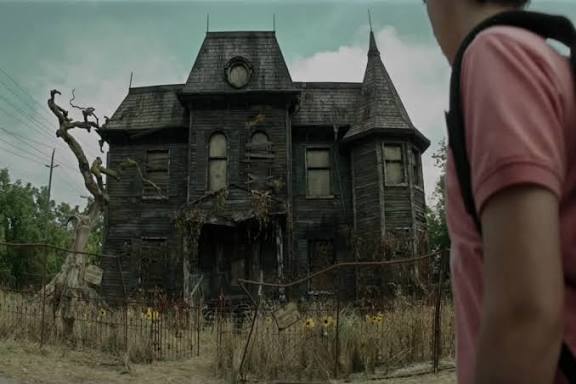
This poem is rich with atmosphere and carries a haunting mix of philosophy, folklore, and spiritual imagination. What makes it compelling is the way it asks questions most people are too hesitant to voice out loud, like what happens to a home, to the spiritual presence of a person, when death empties it? The imagery is vivid and layered with cultural resonance: altars, spirits, anointing oil, even Shakespeare’s Tempest. The poem feels like it’s moving between African traditional spirituality, biblical ritual, and literary myth, and the interplay gives it a rare depth.
The voice of the poem is partly curious, partly cautionary. It begins with wonder: “Does his house know the owner has died?”, and slowly builds into warning: “Because claiming another man’s sanctuary is equal to waging war.” This shift in tone is one of its strengths. It doesn’t just muse on loss and absence, it also reminds us of the weight of inheritance, the unseen presences that linger, the sacredness of space. Structurally, it flows almost like prose, but it never loses its poetic rhythm. The rhetorical questions create a steady pulse, keeping the reader engaged. The interjections [“Have a heart, / Have a care”] act like refrains that ground the poem in human tenderness after the heavy talk of spirits and battles.
What makes it memorable is that it inhabits a liminal space: not just between life and death, but between traditions, between belief and skepticism, between reverence and fear. It doesn’t give answers, and that’s exactly its strength, as it leaves you unsettled, but in a thoughtful way. However if there’s one place for refinement, it would be tightening the middle section. Also, the biblical and traditional references, though striking, could be sharpened with more sensory detail: what does that oil smell like, what does a wandering spirit feel like? These small touches could make the spiritual imagery even more tangible.
But generally, this is an evocative and weighty piece. It reads almost like spoken-word philosophy, the kind of poem you imagine being performed in a low, steady voice to a hushed crowd, everyone feeling the gravity of the questions, even if they can’t answer them.
Related Posts



Stay Informed With the Latest & Most Important News
Previous Post
Next Post




Advertisement